



As X-Men: Evolution reaches its finale, the battle against Apocalypse is more than just a fight for survival – it’s the culmination of a series that dared to reinvent the X-Men mythos for a new generation.
From the very beginning, Evolution set itself apart. It took risks – de-aging the X-Men, shifting them into a high school setting, and focusing on the personal struggles of young mutants discovering their place in the world. Some sceptics doubted its approach, especially with X-Men: The Animated Series still fresh in viewers’ minds. But instead of trying to replicate what came before, Evolution carved its own identity.
If the series accomplished anything, it was keeping the X-Men relevant at a time when they could have faded into the background. It gave the next generation their own version of the dream – the idea that everyone deserves to be heard, that differences should be embraced, and that strength comes from unity, not division.
And now, in Ascension (Part 2), that message rings clearer than ever. The X-Men, alongside the Brotherhood, S.H.I.E.L.D., and every ally they’ve made, stand together – not because they have to, but because the world depends on it. Apocalypse may represent an inevitable future, but the X-Men prove that the future is never set in stone.
With this final battle, X-Men: Evolution ends not just as an entertaining adaptation, but as a defining chapter in the franchise’s legacy. Different? Yes. But in the end, difference is what made it special.
Apocalypse’s plan reaches its final stage as his four Horsemen – Xavier, Storm, Magneto, and Mystique – stand guard over his pyramids and the Sphinx, preparing to reshape humanity by force. The X-Men, alongside the New Mutants, the Brotherhood, and S.H.I.E.L.D., split into four strike teams, each led by Jean Grey, Beast, Shadowcat, and Wolverine, tasked with destroying the pyramids before Apocalypse’s vision becomes reality. But the Horsemen, now fully under his control, stand in their way, proving to be more powerful than ever.
As the battle rages across the globe, Apocalypse’s pyramids activate, forming a grid around the Earth, a mechanism designed to trigger mass mutation. The Sentinels, deployed as a desperate countermeasure, fail to destroy the grid, their firepower proving useless against Apocalypse’s ancient technology. The X-Men fight relentlessly, but the odds are stacked against them – Apocalypse’s forces are too strong, and the world teeters on the brink of irreversible transformation.
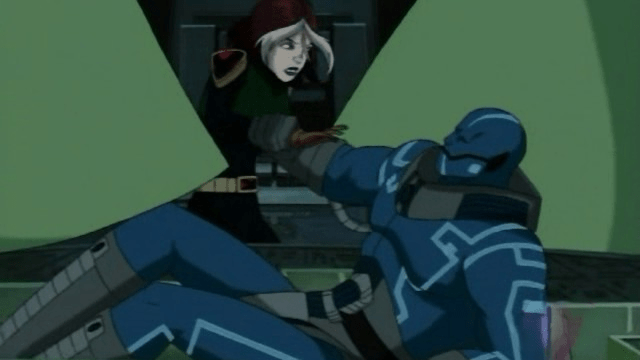
In a last-ditch effort, Rogue steps forward, realizing that brute force alone won’t be enough. She absorbs Leech’s power, granting her the ability to neutralize mutant abilities, and confronts Apocalypse directly. With the fate of humanity hanging in the balance, Rogue strikes, using Leech’s suppression field to shut down Apocalypse’s control, rendering his mutation grid useless. The energy field collapses, and the pyramids crumble, undoing the catastrophic process before it can take effect.
With Apocalypse’s defeat, his Horsemen are freed from his influence, their minds and bodies restored. The battle is over, but the scars remain. The X-Men, their allies, and even their former enemies stand together, knowing that while they have won this fight, the future remains uncertain. Apocalypse may be gone, but his vision of evolution has left its mark on the world.
In the final moments, Professor Xavier addresses the team, revealing that during his time under Apocalypse’s control, he glimpsed visions of the future – a future where enemies become allies, friends become foes, and the battle for mutant survival continues. Though the war against Apocalypse has ended, the X-Men’s mission is far from over. Whatever challenges lie ahead, one truth remains: they will always be there, ready to face whatever comes next.
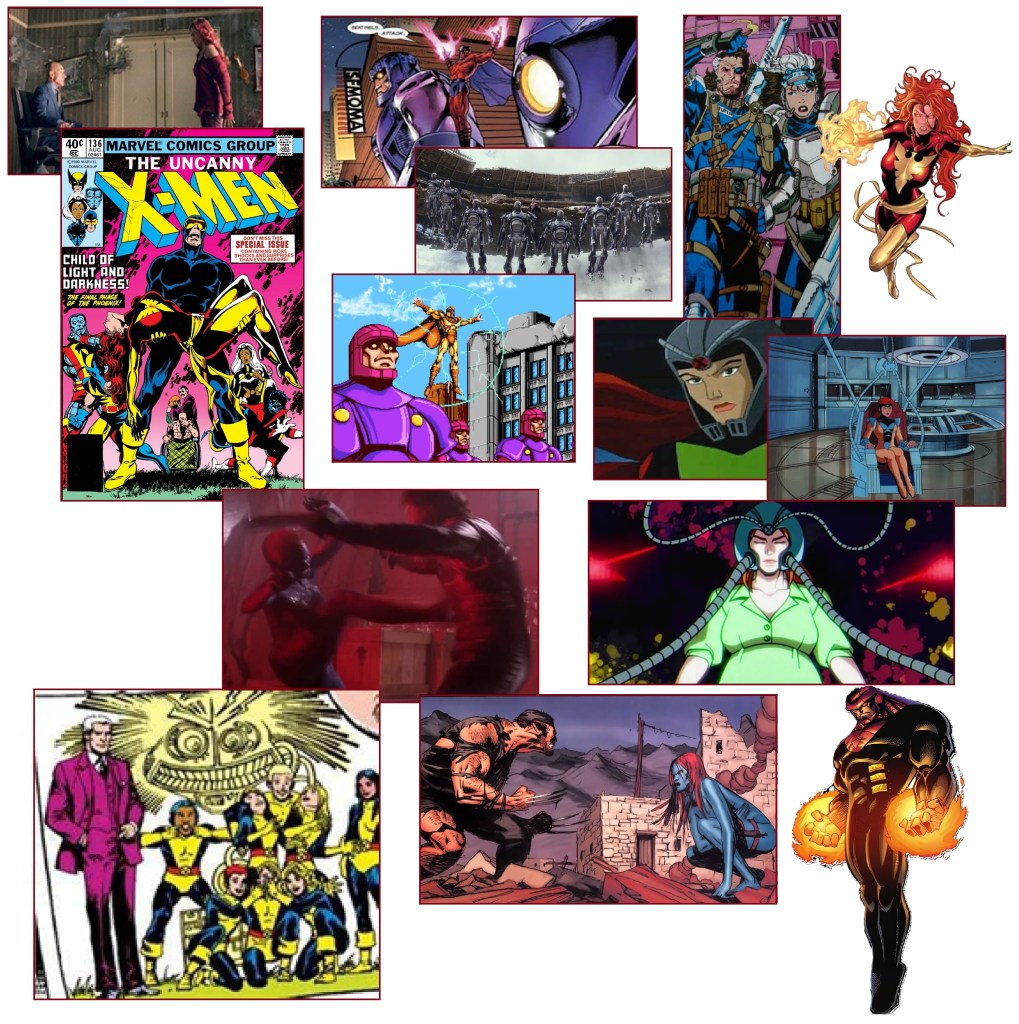
Jean Grey takes on Charles Xavier in battle many times in the franchise’s history. They first fought during The Dark Phoenix Saga in Uncanny X-Men #136. This reckoning was adapted for X-Men: The Animated Series in The Dark Phoenix Saga (Part 4) The Dark Phoenix, as well as inspiring similar scenes in X-Men: The Last Stand and X-Men: Dark Phoenix.
Magneto has a habit of controlling Sentinels: in X-Men: Days of Future Past, he attacked the White House with Trask’s prototypes. He also takes command of an entire fleet of them in Wolverine and the X-Men‘s Foresight (Part 1).
Rogue and Nick Fury had previously teamed-up on panel in Uncanny X-Men #274-275.
It’s implied in 2000’s X-Men that Jean using Cerebro in that movie’s conclusion awakened the emergence of the Phoenix in her mind at the conclusion of X2. When fighting Xavier in this episode, and whilst wearing the same helmet, a phoenix raptor briefly appears over Jean.
Wolverine and Mystique have a one-on-one duel in this episode, just as they did in 2000’s X-Men, which heavily influenced this series.
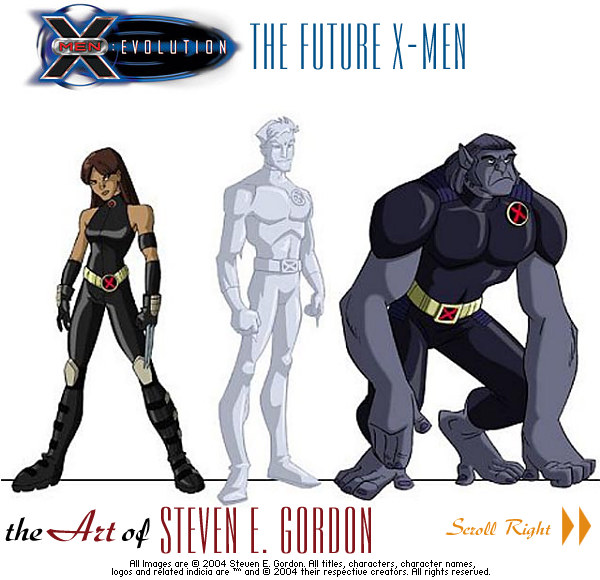
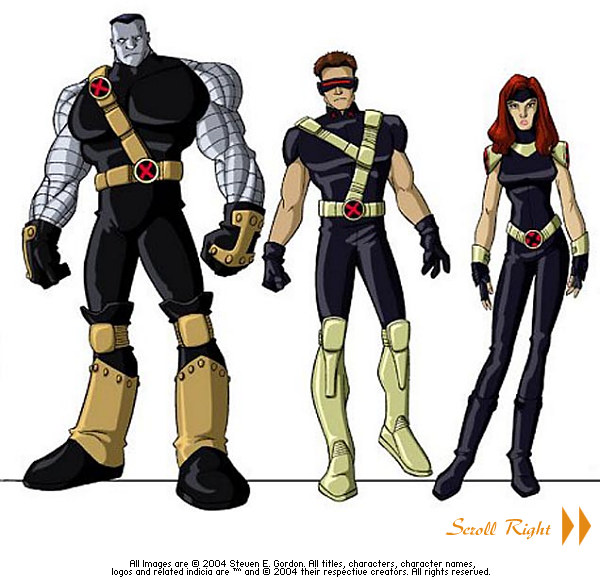
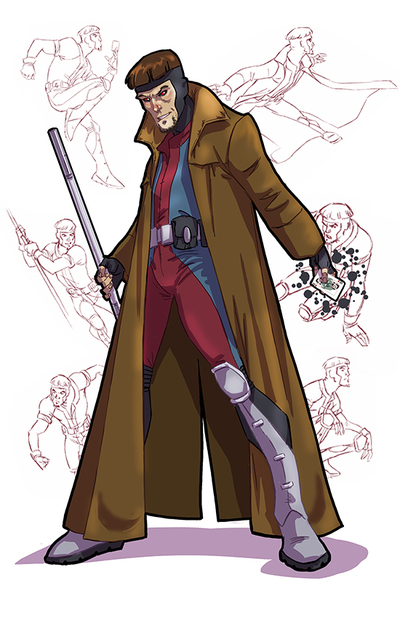
Xavier’s vision of the future shows several comic book events transpire: more anti-mutant protests in Washington DC; Magneto, teaching the New Mutants, as he did after Uncanny X-Men #200; Prime Sentinels from Operation: Zero Tolerance; Jean becoming Dark Phoenix; Brotherhood members joining SHIELD as Freedom Force; Rogue, flying; and future members of the team, including a returning Wolfsbane and Jubilee, Colossus, Gambit, X-23 and Angel.
THE FUTURE YET TO BE
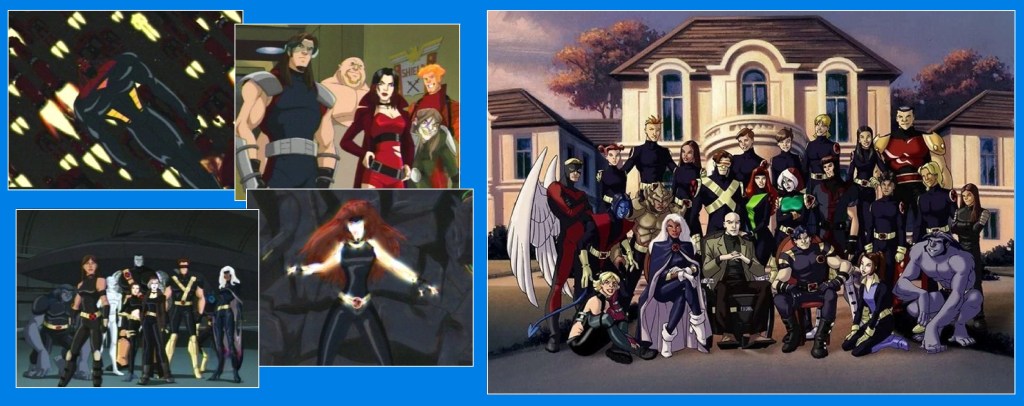
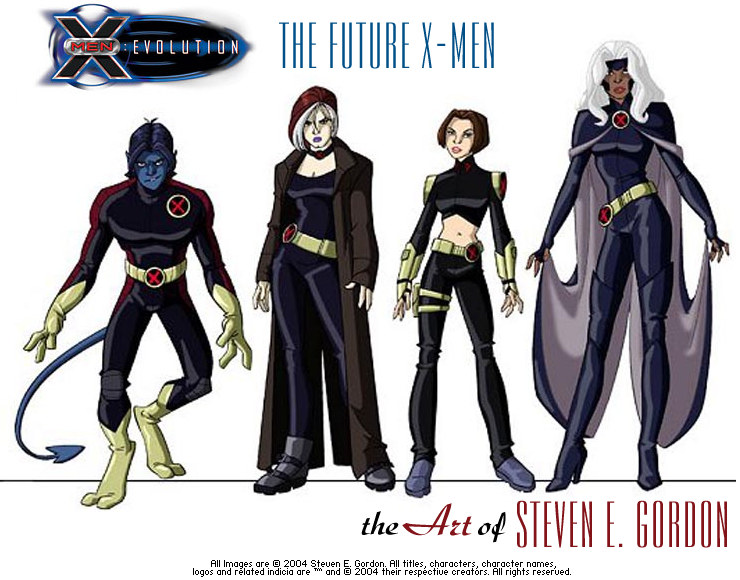
While a fifth season of the series never happened, production designer and artist Steve E. Gordon produced images of various characters and how they would have evolved had the series continued. These were used to for Xavier’s vision of possible future events, as seen in the closing denouement of the episode.









 X-Cess Minutiae
Leave a comment