


This one plays like a soft reboot. The episode opens with a full roll-call – heroes, villains, tech, titles – all laid out like a pilot trying to reintroduce its own cast. It’s strange, but it works. The plot clicks into place quickly: a volcanic threat, a summoned dragon, and a trap that strands Tony Stark beneath the ice. The pacing is relentless. The stakes are high. And the tone? Surprisingly sharp. Mandarin calls MODOK a “jackass” without flinching, and the censors let it ride.
What makes this episode stand out isn’t just the action – it’s the introspection. Trapped and isolated, Tony begins to flash back. We see the early days: the death of his father, the sabotage that changed everything, and the moment he stopped being a bystander and became a builder. There’s a line that lands quietly but firmly – Tony says he’s against war. It’s not shouted. It’s not sermonised. But it reframes the armour not as a weapon, but as a shield. A choice.
The villains are active, coordinated, and dangerous. The ensemble is scattered but present. And the cave – both literal and metaphorical – becomes the crucible. This isn’t just a retelling of the origin. It’s a reminder that Iron Man isn’t born from glory. He’s forged in grief, guilt, and ingenuity.
It’s a strange episode, yes. Tonally jagged. Structurally bold. But it’s also foundational. It resets the board, deepens the myth, and reminds us that beneath the tech and the bravado, Tony Stark is still just a man trying to make things right.
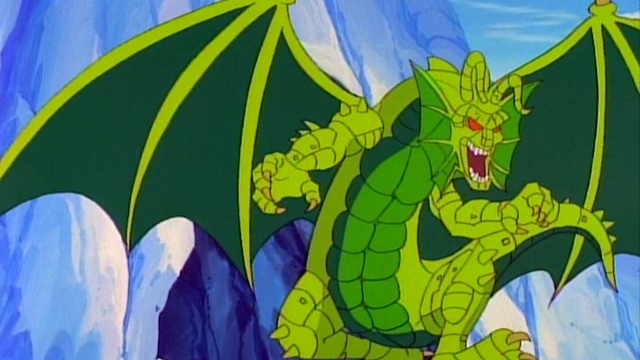
An alert draws Iron Man to a volcanic fault line on the verge of eruption. Beneath the surface, Mandarin watches and plots, summoning Fin Fang Foom to confront the hero. The ancient beast agrees – but only in exchange for a favour yet unnamed. As the volcano churns, MODOK severs Iron Man’s oxygen supply and cuts off his signal to Stark’s satellite network, leaving him stranded and blind. The escape attempt fails. Fin Fang Foom strikes, and Stark plummets into an ice cave buried deep beneath the molten chaos.
Trapped and injured, Stark is forced to shed the armour and begin repairs by hand. Meanwhile, the villains dispatch search teams to locate him, sensing opportunity in his absence. As the cave groans under pressure, Tony drifts into memory – back to his teenage years, when his father Walter ran Stark Enterprises and Tony had little interest in legacy or leadership. That changed when sabotage struck. Justin Hammer’s interference led to Walter’s death, and Tony stepped up, reshaping the company into something stronger, sharper, and his own.
In the present, James Rhodes grows concerned. With no word from Tony and no signal from the suit, he launches a search mission in the War Machine armour, determined to find his friend before it’s too late. Back in memory, Tony recalls the shrapnel injury that nearly paralysed him – his first real reckoning with mortality. Captured by Mandarin, he was forced to build a suit of armour for conquest. But with the help of fellow prisoner Wellington Yinsen, he began crafting something else entirely.
As the repairs continue, the cave begins to collapse. Ice fractures. Pressure builds. And Stark, stripped of tech and support, must rely on instinct, memory, and sheer will to survive. The origin is unfolding – not in flash, but in fracture. And the man beneath the armour is being tested once again.
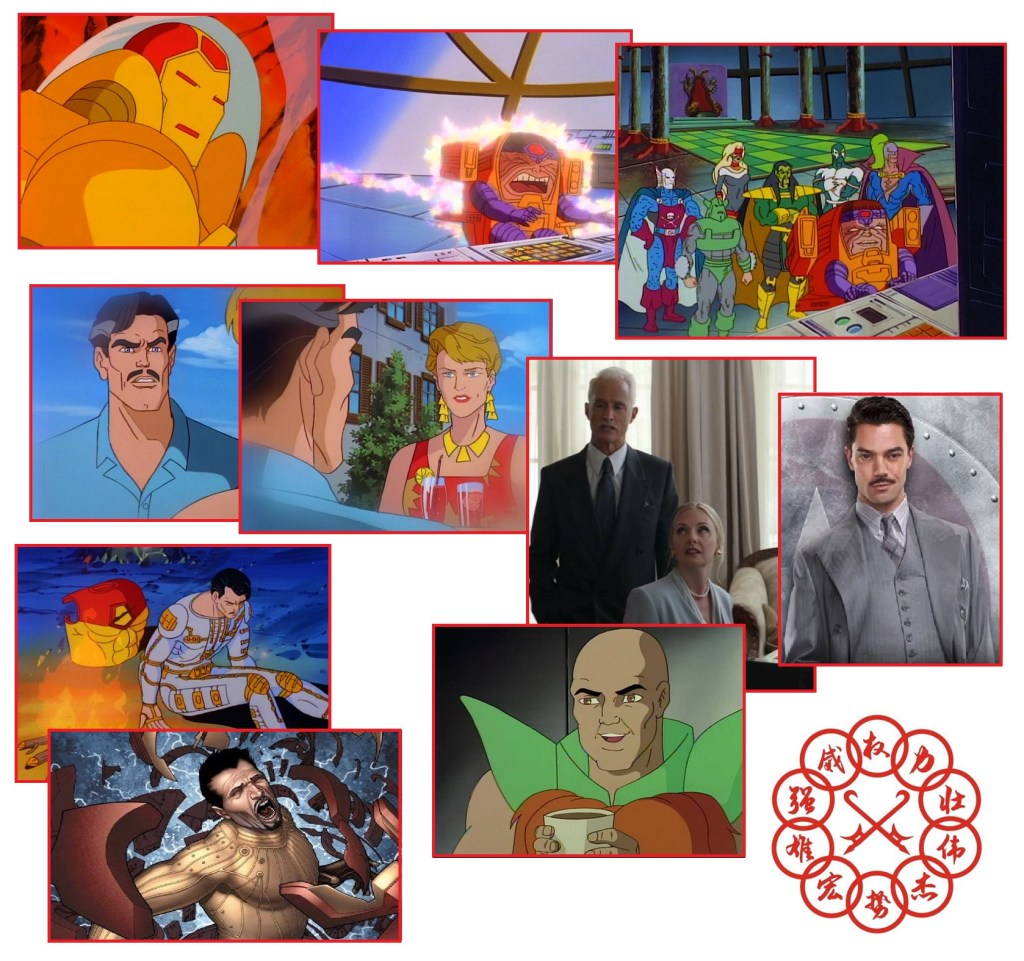
Armour Watch: Tony wears lava-resistant armour in this episode – that looks exactly the same as his underwater one.
Again, MODOK is the butt of all jokes: “Have you had a blow out in your melon?”
The Mandarin does a complete roll call of the villains in this episode. Each member of Force Works is introduced by name as well.
Walter and Martha Stark, Tony’s parents in this series, are named Howard and Maria in most other versions of the story, including the MCU.
Tony’s body suit that he wears under the armour in this series is very similar to the Extremis mesh he’ll later wear in the comics.
Tony’s origin is different in this version of the story. In this continuity, he’s captured by Justin Hammer and the Mandarin to create the armour. In most versions it’s a terrorist organisation. Coincidentally, in 2008’s Iron Man, the Ten Rings, the organisation based on the Mandarin’s forces, are directly responsible.
Yinsen is referred to as Wellington Yinsen, a name which is unique to this series. His presence with Stark in the Mandarin’s custody proves that the villain’s origin story, told in The Origin of the Mandarin, was, at least, somewhat true.
THE MANY LIVES OF TONY STARK
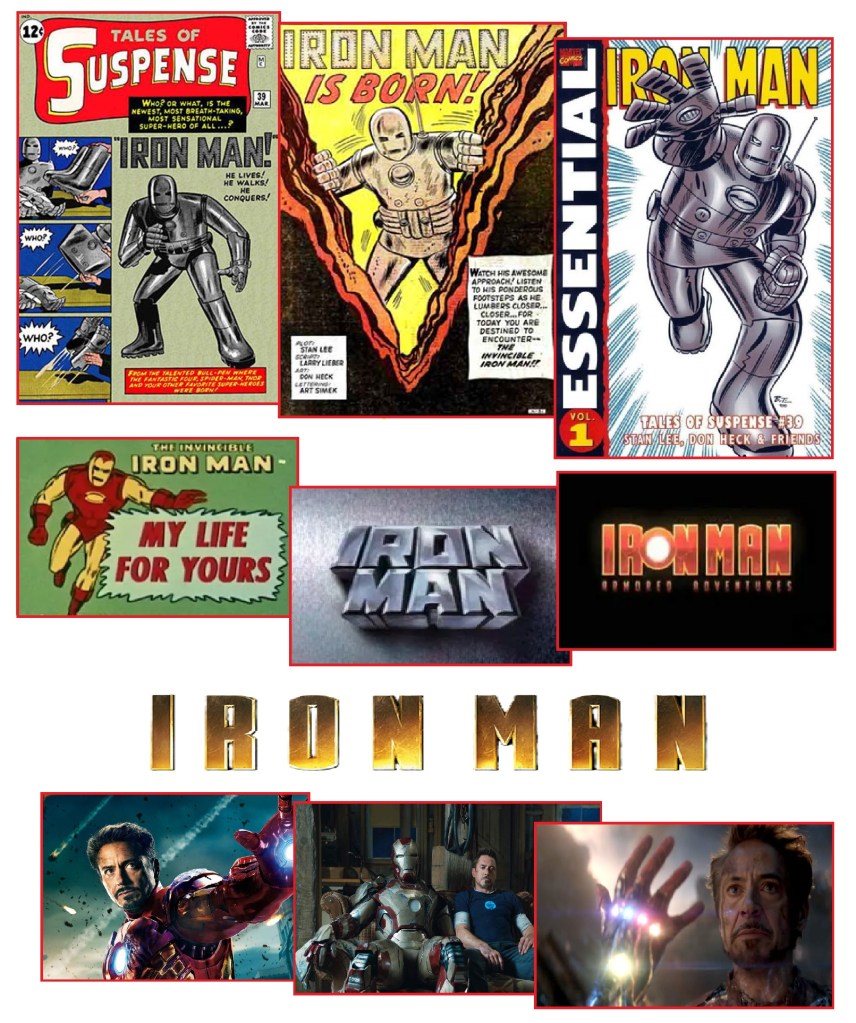
Iron Man didn’t arrive fully formed. He was built – piece by piece, suit by suit, across decades of reinvention. His first appearance in Tales of Suspense #39 (1963) was pure Cold War grit: a genius arms dealer caught in a warzone, forced to build a suit of armour to escape captivity. It was clunky, grey, and symbolic – a walking metaphor for guilt, ingenuity, and survival. Tony Stark wasn’t just a hero. He was a man trying to outrun the consequences of his own brilliance.
The comics evolved fast. The armour turned gold, then red and gold. The stories shifted from espionage to existential crisis. Stark battled alcoholism in Demon in a Bottle, corporate sabotage in Armour Wars, and his own legacy in Extremis. He founded the Avengers, clashed with gods, and occasionally died – only to reboot with a new suit and a sharper edge. Each version of Iron Man reflected its era: tech-forward, emotionally frayed, and always one upgrade away from collapse.
It was inevitable the character would end up on television. The 1966 Marvel Super Heroes shorts were stiff but earnest. The 1994 Iron Man series split its run between ensemble chaos and a surprisingly solid second season that leaned into character. Armoured Adventures reimagined Tony as a teenage prodigy – less gravitas, more gadgetry. And Avengers: Earth’s Mightiest Heroes gave us a version that balanced charm with consequence, folding him into the ensemble without losing his edge.
Then came the MCU. Iron Man (2008) didn’t just launch a franchise – it redefined the character. Robert Downey Jr. brought swagger, vulnerability, and a sense of lived-in regret. Across eleven years, Tony evolved from reckless genius to sacrificial legend. The suits got sleeker. The stakes got higher. And when he snapped his fingers in Endgame, it wasn’t just a victory – it was closure. The kind that sticks.
Iron Man’s legacy isn’t just about tech. It’s about transformation. From cave to cosmos, he’s been reimagined, rebooted, and reassembled – but the emotional core remains. A man in a suit, trying to be better than the man who built it.
Iron Man to the Second Power (Part 2) | The Origin of Iron Man (Part 2)




 X-Cess Minutiae
Leave a comment