


This one’s about fear – not the kind that comes with explosions and supervillains, but the quieter kind that lingers in memory, in guilt, in the spaces between action and consequence. Gary Gilbert fears he’s nothing. That his father’s death was ignored, that justice will never come, and that destruction is the only way to be seen. Tony fears the opposite – that he was responsible. That his failure to save Gilbert’s father is the crack in the foundation he’s built his legacy on. And Rhodes? He fears the suit itself. The water. The memory of Joey. The moment he almost drowned. That fear doesn’t just haunt him – it shapes him. And it will return.
The episode threads these fault lines through its structure. The power plant explosion isn’t just a plot device – it’s a trigger. A reminder. A reckoning. The ensemble moves with urgency, but the emotional weight slows everything down. Julia stabilises. Tony investigates. Rhodes hesitates. And when Firebrand escalates, the tension isn’t just external – it’s internal. The flood isn’t just literal. It’s symbolic.
What makes Fire and Rain land is how it balances spectacle with introspection. The dam breaks. The city is saved. But the cost isn’t measured in debris – it’s measured in trust, in trauma, in the decision Rhodes makes at the end. To step away. To admit that fear still holds him. It’s not weakness. It’s clarity.
This isn’t just a disaster episode. It’s a character study. And in a season built on escalation, Fire and Rain reminds us that the most dangerous battles are the ones fought beneath the surface.
A blast at the power facility draws War Machine into the chaos, but the security systems misfire and turn on him. Knocked into the ocean, he’s pulled from the depths by Iron Man – but the water triggers something deeper. A memory. A failure. Years ago, Rhodey couldn’t save a boy named Joey from drowning. Now Rhodes finds himself paralysed by the same fear, caught between duty and dread.
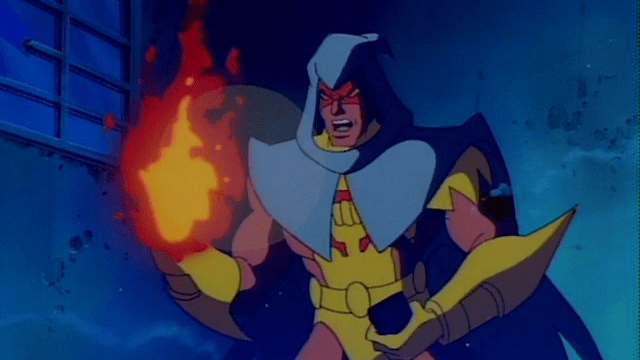
At Stark Enterprises, Spider-Woman and Iron Man work to stabilise Rhodes, but the threat escalates. Firebrand claims responsibility for the destruction and demands ten million in exchange for peace. The fires spread. The tension builds. And Tony begins to piece together the truth: Firebrand is the son of Simon Gilbert, a former Stark employee whose vendetta didn’t die with him. The legacy of resentment burns hotter than the flames.
The confrontation reaches the city dam. Firebrand detonates the structure, unleashing a flood that sweeps both him and Iron Man into the current. War Machine arrives, torn between fear and instinct. The water surges. The memory of Joey lingers. But Rhodes pushes through, saving both men and helping Iron Man stem the flood before it reaches the city. The danger is contained. The cost is personal.
Rhodes steps down. The fear didn’t break him – but it changed him. He chooses to walk away from the armour, believing he nearly let Tony die.
Elsewhere, Mandarin reclaims one of his lost rings from a desert merchant.
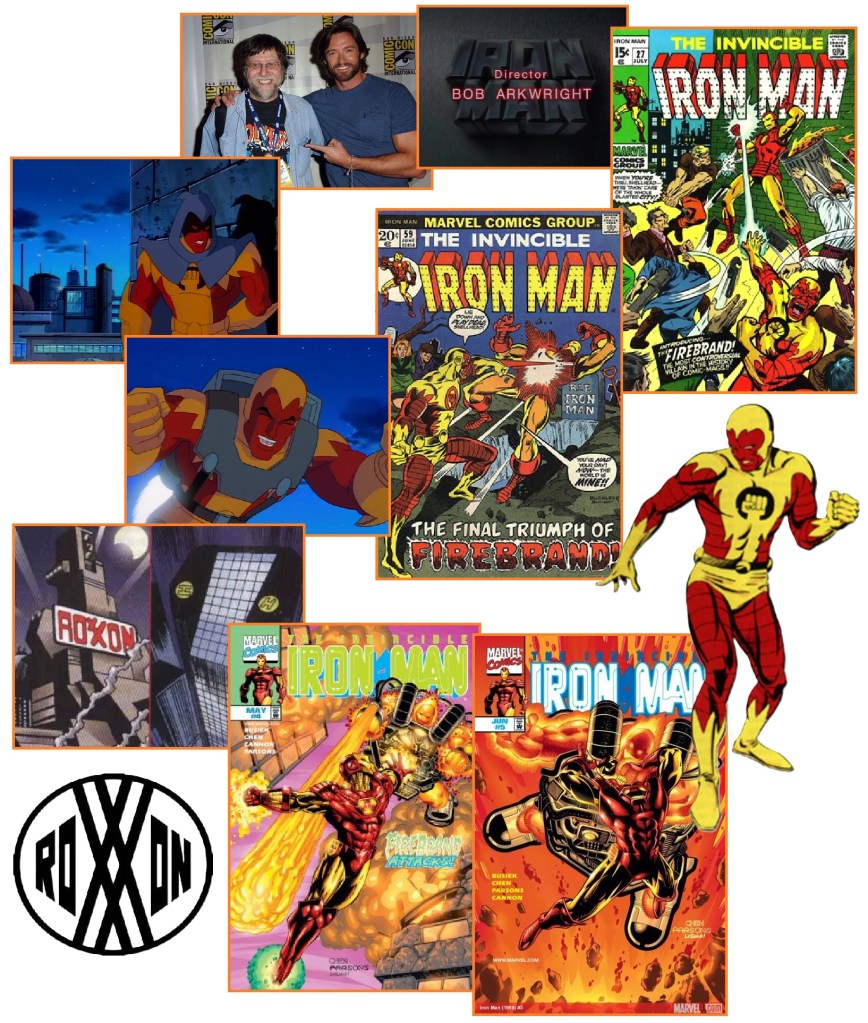
This episode is written by comic book legend, writer Len Wein. He is the creator of Wolverine and also part of the team that revived the X-Men into popularity in 1975. Director Bob Arkwright worked with Filmation in the 1980s to create He-Man and the Masters of the Universe and it’s spin-off She-Ra: Princess of Power.
Firebrand first appeared in Iron Man #27. Gary Gilbert was the original Firebrand, who felt injustice in the way he’d been treated by Stark Industries. He wasn’t a villain per se, more like a vengeful protestor. Just armed with fire. In the comics, he was killed by the Scourge of the Underworld, although others have wielded the powers as well as the name.
Roxxon, an energy company that helped co-found SHIELD, is an often unscrupulous and duplicitous company, regularly working with less than legal services. This episode marks the first time they are mentioned in this series.
THE WEIGHT OF LOYALTY: WAR MACHINE
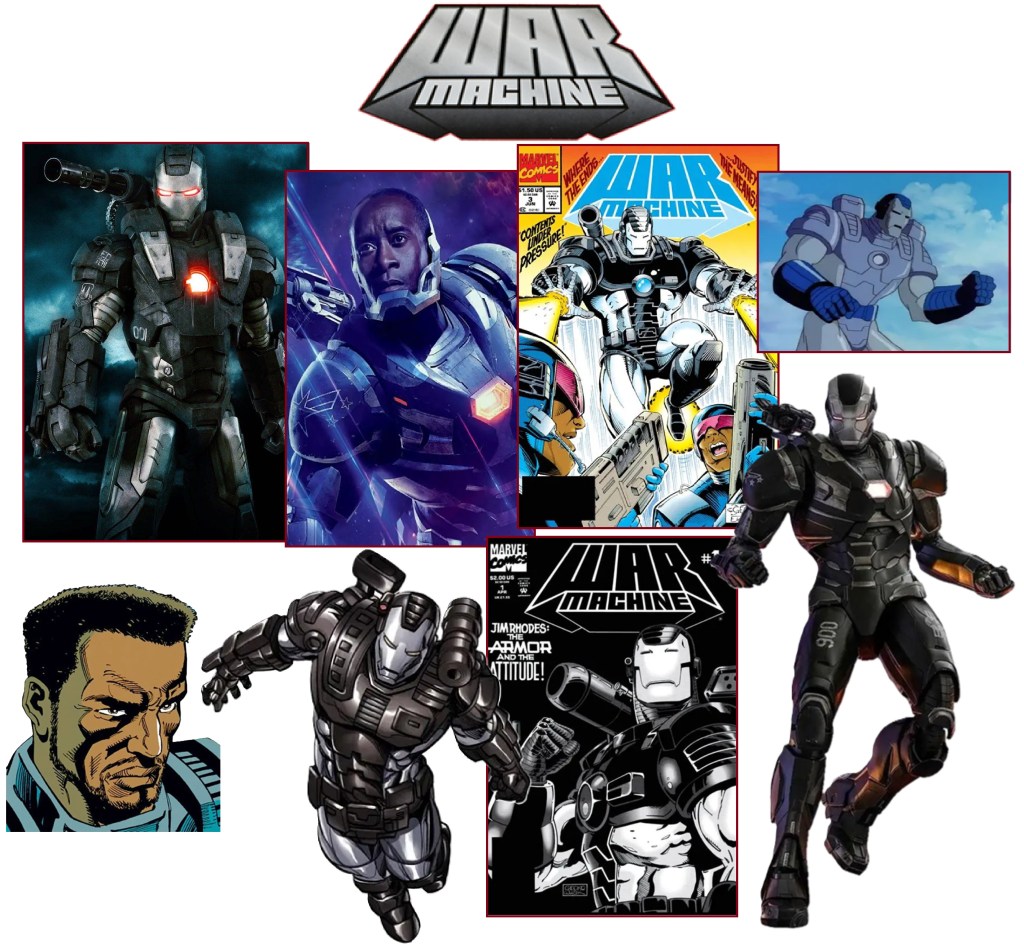
James Rhodes is the man who stays. Across comics, animation, and the MCU, War Machine is defined not by the armour he wears, but by the reasons he wears it. He’s not chasing legacy. He’s holding the line. In Iron Man, Rhodes is the emotional ballast – haunted by past failures, driven by duty, and often the last one standing when the ensemble fractures. He’s the one who remembers Joey. The one who walks away from the suit when fear threatens to compromise his judgment. And the one who returns when the stakes demand it.
In the comics, Rhodes steps into the Iron Man suit when Stark falls to addiction. That moment – Iron Man #170 – isn’t just a substitution. It’s a statement. Rhodes doesn’t inherit the mantle. He earns it. Later, when Stark reclaims the role, Rhodes becomes War Machine, a name that carries its own burden. His solo series in the ’90s leans into geopolitical tension, tech ethics, and the cost of autonomy. He’s not just a soldier. He’s a strategist. A conscience. A man who knows exactly what power can do – and what it must never become.
The animated version sharpens that arc. Rhodes is the one who challenges Stark during Armour Wars, who infiltrates Mandarin’s base in Hands of the Mandarin, and who holds the ensemble together when Force Works collapses. His armour is heavier, more tactical, and less forgiving. It’s built for war, but Rhodes never lets it define him. He’s the man beneath the metal, and that tension – between duty and identity – drives every choice he makes.
In the MCU, Don Cheadle’s Rhodes mirrors that rhythm. From military liaison to Avenger, his arc is one of resilience. Civil War breaks him. Endgame reaffirms him. And Secret Invasion complicates him. But through it all, Rhodes remains the one who shows up. Not for glory. Not for legacy. But because someone has to.




 X-Cess Minutiae
Leave a comment