


In this chapter, we’re talking about dreaming — and the danger of staying asleep. Thanos dreams of devotion from Lady Chaos, a cosmic figure carved from stone and silence. He’s mad, yes, but there’s longing in it — twisted, tragic, and oddly sincere. He’s not just destroying worlds. He’s erasing the places where he once learned beauty, language, peace. He says Mentor was made to learn. He was made to punish. And in a way, he’s not wrong. He’s a creature of design and despair.
The Whynnm dream of conquest and poetry, of battles won and songs sung. But they’re not living — they’re rotting. Their bodies decay while their minds drift in illusion. The moment they’re pulled out, they recoil like addicts, desperate to return to the comfort of unreality. The Dream Weaver, once a gift from Zenn-La, has become a cradle of denial. And the Surfer, haunted by his own longing for Shalla-Bal, must decide whether to shatter the dream or let it fester.
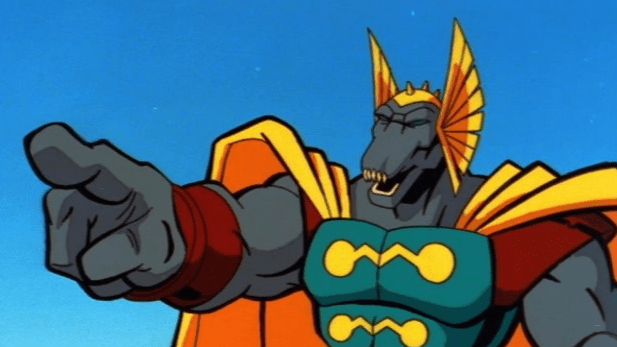
Beta Ray Bill makes his animated debut here — noble, valiant, and caught in the same illusion as the Whynnm. The Surfer reaches him not through power, but through pain — speaking of sacrifice, of loss, of the teachings of Zenn-La. Their dialogue is tense, philosophical, and deeply personal. It’s not just about waking up. It’s about choosing to stay awake, even when reality hurts.
Thanos draws closer, driven not by conquest alone but by a twisted yearning for affection. His destruction is a plea — a desperate act to earn love from a being who cannot return it. The Surfer sees the reflection, the loneliness, the yearning. But where Thanos seeks validation through ruin, the Surfer seeks purpose through awakening. And that difference is everything.
Innervisions doesn’t condemn dreaming. It questions what we use it for. Comfort? Escape? Denial? The Surfer doesn’t promise victory. He offers clarity. And in doing so, he honours Zenn-La’s true legacy — not peace, but courage. The stars remain vast. The longing remains. But sometimes, you have to wake up.
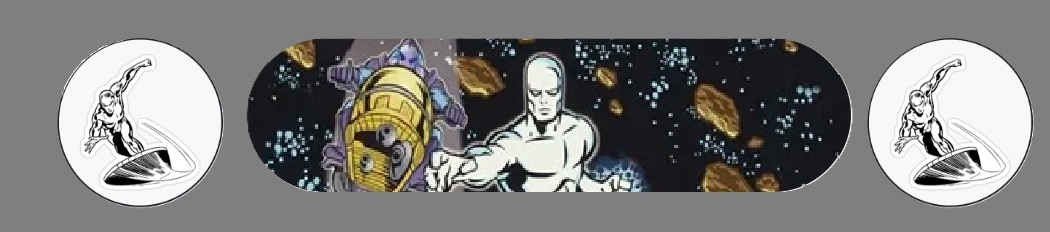
Silver Surfer glides through the void, haunted by the devastation left in Thanos’ wake. Worlds lie broken, each a silent echo of the Mad Titan’s longing for chaos. His path leads to Harmony — a planet once gifted by Zenn-La with the Dream Weaver, a device meant to enlighten. But the people have chosen illusion over truth, dreaming through the storm as destruction draws near.
Upon arrival, the Surfer finds Harmony eerily serene. Its citizens, lost in fantasy, remain blind to Thanos’ approach. To reach them, the Surfer enters the dream itself — a realm shaped by fear and desire. There he meets Beta Ray Bill, revered as a hero within the illusion. Noble but bound, Bill must be shown that true heroism lies not in comfort, but in confrontation.
Their exchange is tense and intimate. The Surfer speaks of sacrifice, of Zenn-La’s teachings, and the ache of losing Shalla-Bal. Slowly, Bill begins to see through the dream. Together, they prepare to face the truth — not just of Thanos’ arrival, but of the illusions that have kept Harmony asleep. The dream must end, no matter the cost.
With Bill at his side, the Surfer shatters the illusion. Harmony awakens, frightened but free. The Dream Weaver is silenced. Though Thanos will come, the people now stand ready. The Surfer uses the Power Cosmic to reflect the Dream Weaver energies at Thanos. As Lady Chaos comes to life for him, trapped in the illusion, Thanos leaves the system, believing Harmony destroyed. The Surfer leaves the world, as the Whynnm come to terms with life.
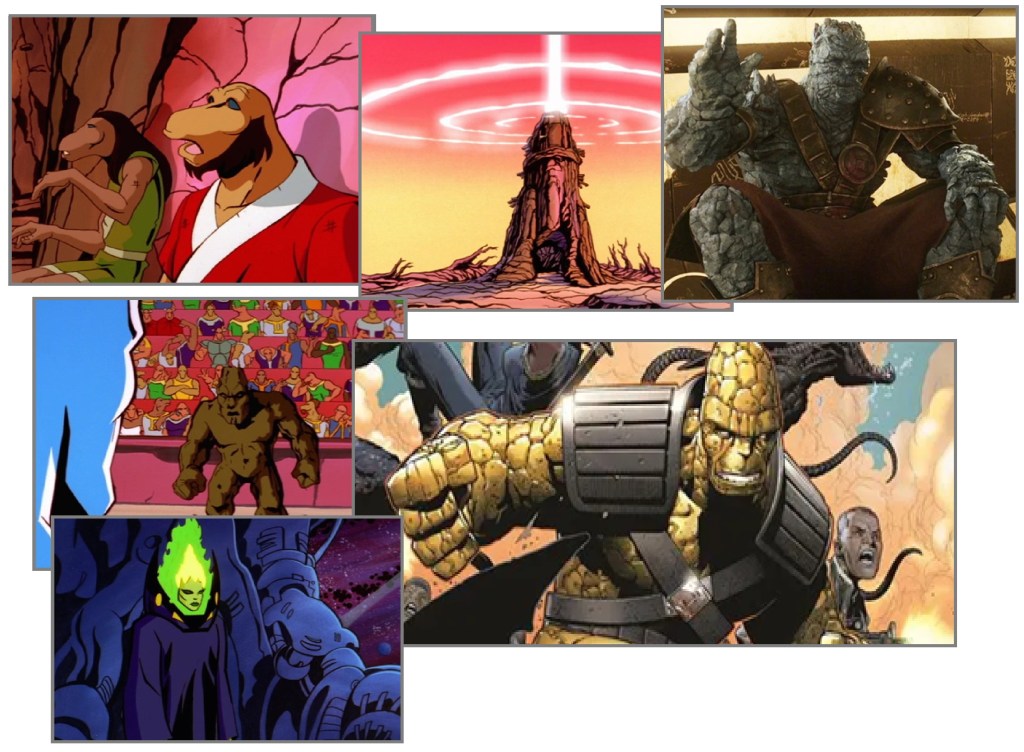
The planet Harmony and it’s species name, the Whynnm, is original to this series. In the comics, Beta Ray Bill’s race are the Korbinites (see Outbox).
The stone creatures the Surfer and Bill fight in the fantasy dreamworld resemble Korg from Planet Hulk, but they predate the character.
Lally Cadeau, who is the voice of Lady Chaos in her briefly animated moments, is also the voice of Moira MacTaggert in X-Men.
WORTHY BEYOND FORM – THE HONOUR OF BETA RAY BILL
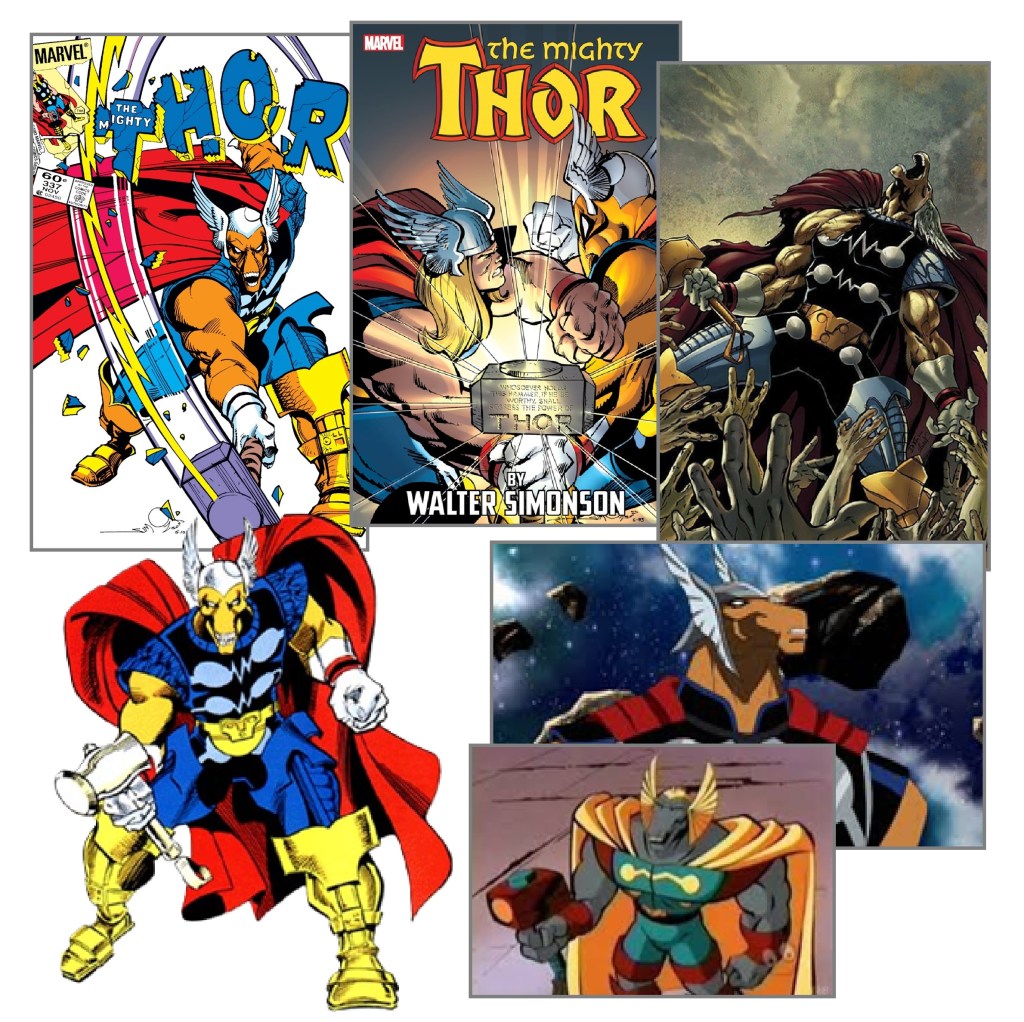
Beta Ray Bill arrived like a thunderclap — monstrous in form, noble in soul. Introduced in Thor #337 (November 1983) by Walt Simonson, Bill was the first non-Asgardian to lift Mjolnir and be deemed worthy. It was a narrative reversal that redefined heroism in the Marvel cosmos. Bill, a Korbinite champion, was engineered to protect his people after their world was destroyed. He looked like a beast, but acted like a god — and that tension became his legacy.
The comics chart his journey from outsider to icon. After proving his worth, Odin forges Stormbreaker — a weapon equal to Mjolnir — and grants it to Bill. He becomes a cosmic wanderer, fighting alongside Thor, the Avengers, and the Guardians. His stories often centre on sacrifice: giving up love, peace, or even his own body to shield others. Bill’s nobility is never loud. It’s quiet, resolute, and deeply felt. He’s not just a warrior — he’s a mythic protector.
Bill’s emotional architecture is built on exile. He’s the last of his kind, carrying the weight of survival and the ache of displacement. His bond with Thor is one of mutual respect, forged in battle and tempered by loss. Later arcs explore his struggle with identity — the tension between his engineered form and his lingering humanity. He’s a character who constantly chooses mercy over rage, even when the cosmos demands otherwise.
On screen, Bill’s presence is spectral. A statue of his likeness appears in Thor: Ragnarok (2017), and Stormbreaker is named in Avengers: Infinity War (2018), but he has yet to fully arrive. Fans wait — not for spectacle, but for substance. Because when Bill enters the frame, it won’t be as a sidekick. It’ll be as a hero who earned the thunder. His story is too rich, too resonant, to be background noise.
Beta Ray Bill’s legacy is one of inversion — the monster who becomes a myth, the outsider who becomes worthy. He reminds us that heroism isn’t about appearance. It’s about choice. And in every panel, every sacrifice, he chooses to protect. Not because he must. But because he can.




 X-Cess Minutiae
Leave a comment