


THE NEOGENIC NIGHTMARE
Chapter VI
Morbius isn’t just the introduction of a vampire-like foe — it’s the mirror held up to Peter’s own mutation crisis. Michael Morbius begins as a rival in science, ambitious and driven, but his fall into monstrosity is born not of malice but of obsession. The Recombinator, the bat, the bite — they are catalysts, but the true transformation is psychological. Morbius doesn’t crave blood; he craves validation, power, and control. His thirst for plasma is the physical echo of his deeper need: to prove himself, no matter the cost.
The episode thrives on parallels. Peter hides Crawford’s serum, desperate for a cure, while Morbius steals it, desperate for recognition. Both men are defined by mutation, both undone by science, both consumed by forces they cannot master. Where Peter fears becoming a monster, Morbius embraces it, mistaking his new form for strength. Their conflict isn’t hero versus villain — it’s two sides of the same descent, one clinging to humanity, the other surrendering to appetite.
Felicia Hardy becomes the emotional fulcrum. Her rejection of Morbius is decisive – but here the stakes are sharper. Morbius doesn’t just want her affection — he wants her as witness, as proof that he is more than human. His obsession is less romantic than existential: if Felicia sees him, perhaps he still exists. The tragedy is that his need isolates him further, turning intimacy into terror.
The climax is brutal in its irony. As dawn breaks, Morbius reverts to human form, unconscious and vulnerable, only to flee again when his vampiric side resurfaces. There is no cure, no closure, only repetition — hunger that cannot be sated, identity that cannot be reconciled. For Peter, the horror is doubled: his own mutation accelerates, sprouting four extra arms, making him the monster he fears.
This episode isn’t about vampires. It’s about appetite, obsession, and the thin line between ambition and addiction. Morbius reminds us that science doesn’t just create monsters — it reveals them. And sometimes, the monster isn’t the one we fight. It’s the one we’re becoming.
Swinging through the city, Spider-Man reflects on the hope that Dr. Mariah Crawford may cure his mutation. Mid-thought, he foils a robbery but collapses in agony, his body wracked by sudden pain. The crooks prepare to finish him off, only for the police to intervene.
Seeking answers, Spider-Man visits Crawford, who reveals she has developed a serum that might restore his blood cells to normal — though it could also destroy him or strip away his powers. Desperate, Peter demands to take it immediately, smashing her lab in frustration until Crawford calms him, warning he is becoming the monster he fears. She reluctantly allows him to leave with the serum.
At E.S.U., Peter hides the serum in his locker, unaware that Michael Morbius is spying on him. Convinced it relates to the Neogenic competition, Morbius analyses Peter’s mutated blood and concludes the serum could grant immense power. Setting up his own lab, he “borrows” university equipment, including a Recombinator, despite Felicia Hardy’s protests. While experimenting, a bat bites him mid-process, transforming him into a vampire-like creature.
Driven by a thirst for plasma, Morbius attacks victims across the city until Spider-Man intervenes. Listening to Morbius’s recordings, Peter realises they share the same mutation crisis, guilt gnawing at him. Morbius soon confronts Felicia, terrifying her, before Spider-Man arrives to battle him. As dawn breaks, Morbius reverts to human form, unconscious and taken to hospital — only to flee again when his vampiric side resurfaces.
Meanwhile, Peter’s agony worsens. Alone in his bedroom, his mutation accelerates — and he sprouts four extra arms.
ROGUE’S GALLERY
MORBIUS
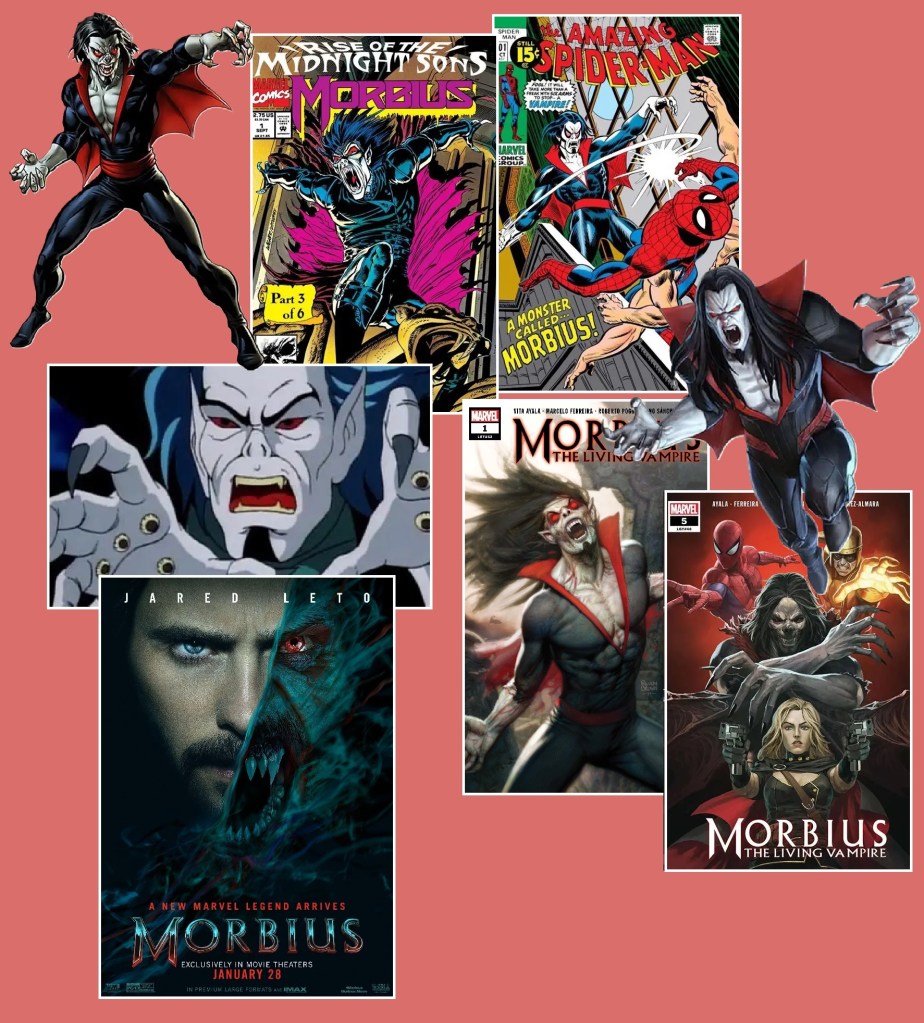
Morbius the Living Vampire first appears in Amazing Spider-Man #101 (1971), created by Roy Thomas and Gil Kane. Dr Michael Morbius is a Nobel Prize–winning biochemist whose attempt to cure his rare blood disease results in a horrific transformation. Instead of healing, he becomes vampiric — cursed with a thirst for blood, superhuman strength, and a tortured conscience.
In the comics, Morbius occupies a liminal space between villain and anti-hero. He clashes with Spider-Man repeatedly, but his motives are often survival rather than malice. Over time, he gains his own series, battling supernatural threats and even joining teams like the Midnight Sons. His story is one of tragedy: a man of science undone by his own experiment, forever seeking redemption.
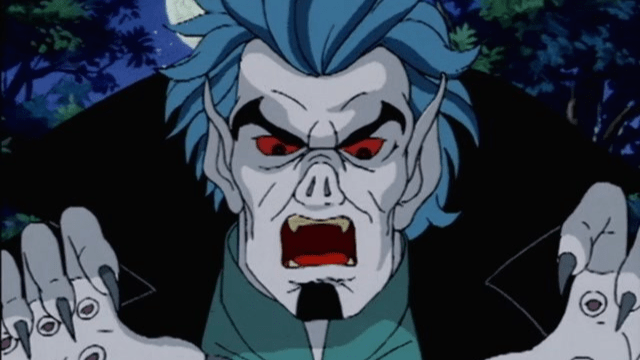
On television, Morbius is most memorable in Spider-Man. His origin is altered — plasma rather than blood, due to broadcast standards — but his arc retains its gothic weight. His relationship with Felicia Hardy adds emotional depth, making him more than a monster. Later animated appearances keep him in the role of conflicted adversary.
On film, Morbius finally appears in Morbius (2022), with Jared Leto portraying him. The film leans into his duality — healer turned predator — though its reception was mixed. Across media, Morbius endures as a figure of horror and tragedy, embodying the dangers of unchecked science and the eternal struggle between hunger and humanity.
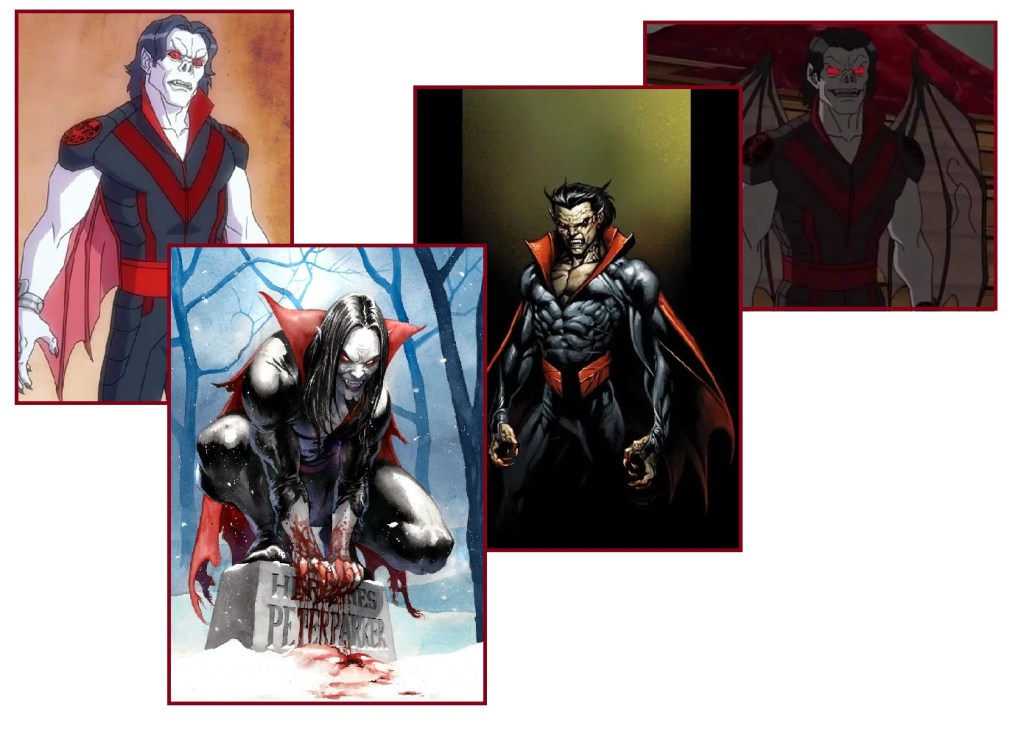
Thwip Quip: “Where’d that refugee from The Rocky Horror Picture Show go?”
At the height of the Nineties, programme censorship for animated cartoons depended on where you looked. X-Men couldn’t use the word ‘death’ or ‘kill’, but Fantastic Four could. Guns are replaced in Spider-Man by laser weapons, and, as strange as it may seem, Spidey was never allowed to be seen actually hitting or striking the villains.
Of course, Morbius is a vampire, which poses somewhat of a problem. The producers of the series couldn’t show him biting anyone – or show the blood or violence. The producers instead changed ‘blood’ to ‘human plasma’ and created suckers on Morbius’ hands.





 X-Cess Minutiae
Leave a comment