


This is a story about identity under siege — the fear that no matter how far you run from your origins, they may still reach out and reclaim you. When the Vision volunteers to let Ultron capture him, the episode becomes a meditation on autonomy: the right to choose who you are, even when your creator insists you were built for something else.
The tension lies not in the physical danger but in the psychological pull between programming and self‑determination. Ultron represents the past the Vision refuses to inherit, a cold, logical certainty that denies the messy, human emotions he has fought to understand. The episode asks whether free will can survive when confronted by the very force that forged you.
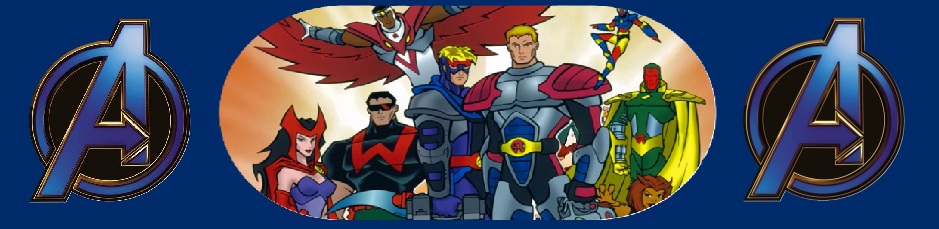
For the Avengers, the mission becomes a test of trust. They must believe that the Vision’s will is strong enough to resist Ultron’s influence, even as they race against the clock to reach him. Their pursuit reflects the episode’s deeper theme: that family — chosen or otherwise — is defined not by origin but by loyalty, sacrifice, and the courage to stand beside someone when they cannot stand alone.
By its conclusion, What a Vision Has to Do affirms the Vision’s humanity not through victory, but through choice. He rejects Ultron’s claim over him and reclaims his place among the Avengers, proving that identity is not written in circuitry but carved through defiance, compassion, and the will to be more than what you were made for.
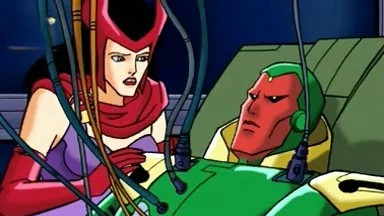
Ultron resurfaces with a new plan, forcing the Avengers into a desperate search for his hidden base of operations. Realising that the team cannot track Ultron through conventional means, the Vision volunteers for a dangerous strategy: he will allow himself to be captured, acting as living bait so the Avengers can follow the signal back to Ultron’s lair. It is a calculated risk, but one only the Vision can take — and one that places him directly in the hands of his creator.
Once inside Ultron’s grasp, the Vision finds himself torn between two loyalties: the Avengers who accepted him as a teammate, and the machine intelligence that built him for obedience. Ultron attempts to reassert control, exploiting the Vision’s internal conflict and forcing him to confront the programming he has spent his life resisting. The Vision struggles to hold onto the identity he has chosen rather than the one Ultron demands. Ultron also threatens to destroy the comatose body of Wonder Man is the Vision is not restored.
Meanwhile, the Avengers race to locate Ultron’s stronghold before the Vision’s will is overridden. Their pursuit leads them into a confrontation with Ultron’s defences, each step revealing how deeply the villain has prepared for their arrival. The team must rely on the Vision’s resilience and the faint signals he manages to transmit, trusting that he can resist long enough for them to reach him.
The battle pits creator against creation as the Vision breaks free of Ultron’s influence, reaffirming his loyalty to the Avengers and his own hard‑won autonomy. With Ultron’s plans disrupted and his lair exposed, the team escapes with the Vision, leaving Ultron buried under the rubble and Wonder Man’s body returned to the team.
Due to the series’ cancellation, Ultron makes his last appearance in this episode.
THE SOULFUL SYNTHEZOID
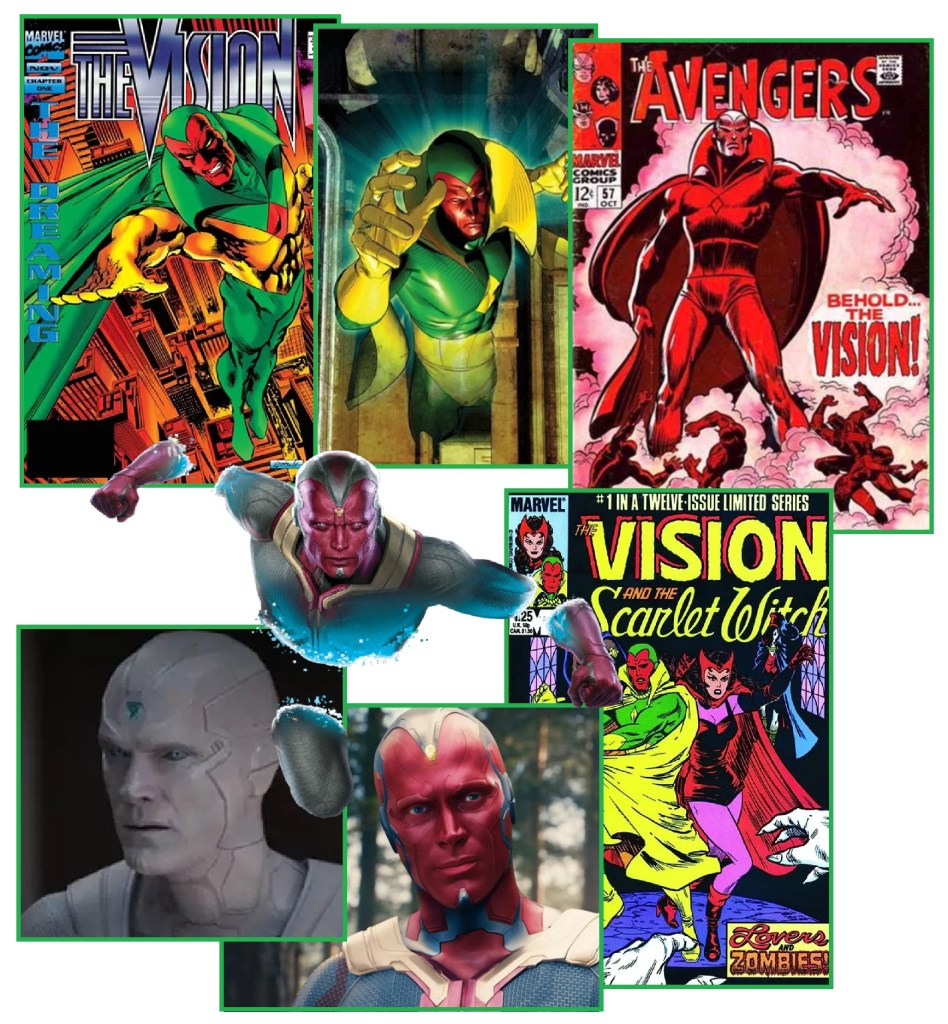
The Vision stands as one of Marvel’s most hauntingly elegant creations — a being forged for destruction who chose, instead, to seek humanity. Introduced in The Avengers #57 in 1968, he arrived as an enemy, an android weapon built by Ultron to infiltrate and destroy the team. Yet from the moment he hesitated, from the moment he questioned the purpose written into his circuitry, the Vision became something far more compelling than a machine. He became a soul in search of itself.
Across decades of stories, the Vision has embodied the tension between logic and longing. His density‑shifting powers make him formidable, but it is his emotional evolution that defines him: the quiet yearning to understand love, loyalty, and the fragile beauty of human life. His relationship with the Scarlet Witch remains one of Marvel’s most enduring romances — a union of magic and machine that challenged the boundaries of what it means to be alive. Even in his darkest moments, the Vision’s struggle is never about power, but identity.
On screen, the Vision has taken on new resonance. In the MCU, Paul Bettany’s portrayal charts his journey from artificial intelligence to fully realised being, culminating in WandaVision, where his love for Wanda becomes both his anchor and his tragedy. Animated series have long embraced him as the team’s quiet conscience, the one who sees the world with clarity unclouded by ego yet coloured by a growing sense of empathy. Each incarnation preserves the same core: a hero defined not by what he was built to be, but by what he chooses to become.
The Vision endures because he represents the most hopeful idea in superhero fiction — that even something created for harm can find purpose in compassion, that identity is not predetermined, and that humanity is not a birth right but a choice. He is the Avengers’ calm centre, their moral compass, and their reminder that the heart is not made of flesh, but of the decisions we make when no one else can




 X-Cess Minutiae
Leave a comment