


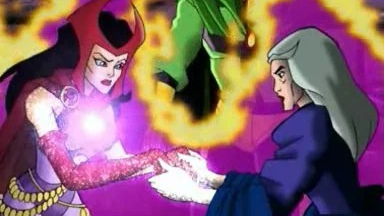
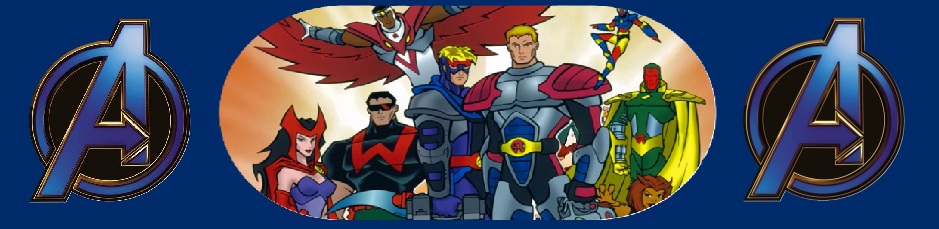
The Sorceress’s Apprentice turns on the quiet, treacherous spaces between blood and chosen family. Wanda’s journey begins not with power, but with fear — the fear of losing Simon forever, the fear that her gifts will never be enough. Seeking Agatha Harkness is an act of hope, a reaching‑out for guidance from someone who understands the cost of magic. Yet the moment Wanda steps into that sanctuary, it shatters, revealing Agatha’s own family torn apart by jealousy and wounded pride. Nicholas Scratch and the Salem Seven rise not as monsters, but as the bitter echo of a son who cannot bear that his mother chose another.
The conflict becomes a crucible for Wanda and the Vision alike. Wanda is cast as an outsider, a mutant interloper accused of stealing a legacy that was never hers to claim. Vision, drained and broken, must decide whether he is a creation built to obey or a being with the will to stand beside the woman he loves. His reawakening is quiet but resolute, a reminder that identity is forged in choice, not circuitry. Their bond becomes the emotional spine of the episode — two souls, neither entirely human, fighting for a place in a world that keeps trying to define them.
Agatha’s sacrifice reframes the entire story. She gives Wanda her own magic not out of duty, but out of love — a mentor’s final, defiant act to ensure her apprentice survives what she herself cannot. Wanda’s victory is not born of rage, but of compassion: she uses her amplified power to save Simon, not to punish those who sought to destroy her.
In the end, The Sorceress’s Apprentice becomes a meditation on the families we build and the legacies we accept. It is a story about stepping into the space between who others say you are and who you decide to become, and finding, in that fragile gap, the courage to claim your own magic.
The Avengers thwart the Grim Reaper’s attempt to steal a shipment of gold, capturing his henchmen though the Reaper himself slips away. The encounter leaves the team reflecting on the bitter irony of his vendetta — that this ruthless criminal is the brother of Wonder Man, still lying silent in his coma. Wanda, unwilling to accept that science alone cannot reach Simon, insists they turn to sorcery — not her own, but that of the formidable Agatha Harkness.
Wanda and the Vision travel to Agatha’s secluded home, only to witness her abduction by her son, Nicholas Scratch, and the Salem Seven. Wanda calls for the Avengers, but they are already locked in pursuit of the Grim Reaper. Vision, however, refuses to abandon her. Together with Agatha’s familiar, Ebony, they journey to New Salem, where the Salem Seven overpower them and Vakume drains the Vision of his energy. Scratch places Agatha on trial, accusing her of betraying her lineage by teaching a mutant instead of her own blood. The Seven condemn her.
Scratch prepares to burn Agatha, Wanda, Vision and Ebony at the stake, but the Vision summons the last of his strength to reactivate himself and break their bonds. Agatha, weakened but resolute, channels her own magic into Wanda, amplifying her powers beyond anything she has wielded before. With this surge of sorcery, Wanda entombs Scratch and the Salem Seven within the mountain itself. Agatha bids Wanda a quiet, bittersweet farewell before vanishing from sight.
Empowered by Agatha’s final gift, Wanda returns to Avengers Mansion and at last succeeds in awakening Simon from his long sleep. Watching from the shadows, the Grim Reaper seethes with fury, vowing vengeance upon the Avengers for taking both his stolen fortune and, in his eyes, his brother from him once more.
TIGRA: FELINE FATALE!
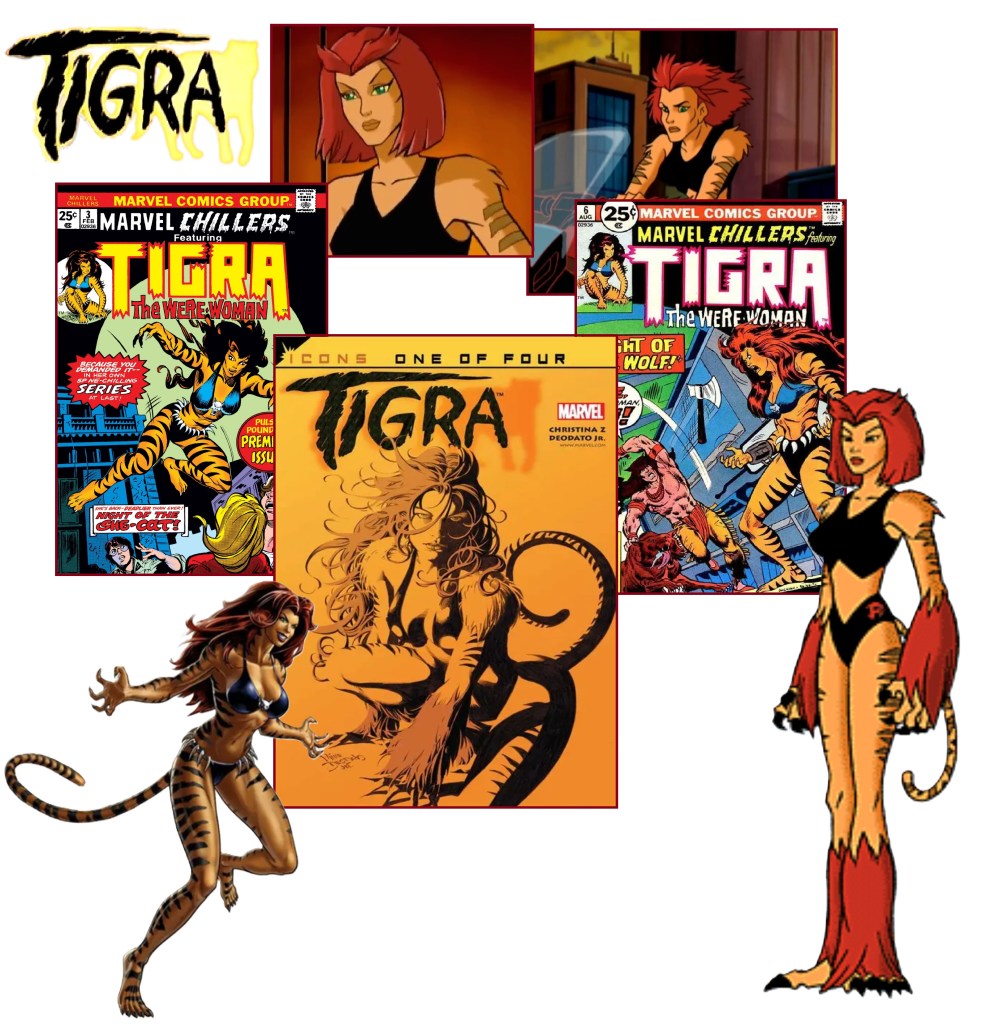
Tigra moves through Marvel lore with a grace that belies the turmoil beneath her stripes — a hero caught between instinct and intellect, humanity and the wildness that pulses through her veins. First appearing in The Cat #1 in 1972 before her transformation into Tigra in Giant‑Size Creatures #1, she embodies the tension of dual identity more sharply than most Avengers. She is both Greer Nelson, the woman shaped by loss and resilience, and Tigra, the feline warrior forged by ancient power. Her story is the constant negotiation between those selves, and the strength that comes from refusing to choose only one.
As an Avenger, Tigra brings more than claws and agility. She brings intuition — the kind that cuts through ego and bluster, sensing danger before it takes shape. Her instincts make her a natural scout and a fierce protector, but they also leave her wrestling with the fear that she is losing herself to the cat‑soul within. That vulnerability gives her a rare emotional honesty, grounding the team when their battles drift too far into the abstract. She is the reminder that heroism is not just cosmic stakes and grand speeches, but the daily work of holding yourself together.
Across animation and wider media, Tigra is often the team’s spark — quick‑witted, impulsive, and unafraid to challenge authority when her instincts flare. In Avengers: United They Stand, she becomes the emotional counterpoint to the team’s more rigid personalities, her humour and heart softening the edges of their mission‑driven lives. Yet beneath that levity lies a warrior who has survived transformation, betrayal, and the constant pull of a nature that threatens to overwhelm her.





 X-Cess Minutiae
Leave a comment